
How We Tackled the AI Tattoo Stencil Challenge: A Product Case Study
Artificial Intelligence, Product Design, SaaS, Web Development, Indie Hackers


Generating high-quality images with AI has become relatively easy. However, generating specialized art—like a tattoo stencil that a tattoo artist can actually transfer onto skin—presents a unique set of challenges.
In this case study, we will share the product decisions, prompt engineering, and tech choices we made while buildingour platform, tattoovault.io, an AI-driven platform designed specifically for custom tattoo generation.
The Problem: Why General AI Fails at Tattoos
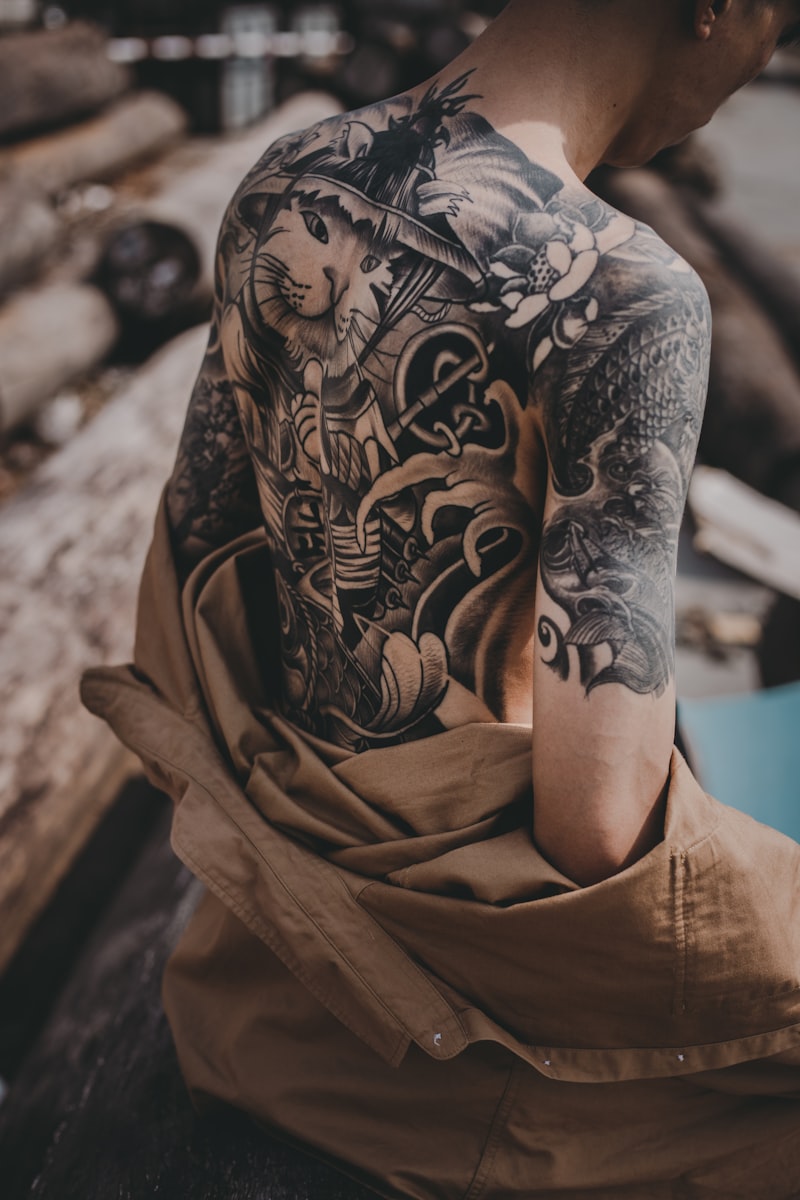
If you ask a general AI model (like Midjourney or Stable Diffusion) to generate a "minimalist geometric tattoo," you will often get a beautiful, highly-rendered image with shadows, skin textures, and 3D lighting.


(While 3D renders look great on screen, tattoo artists need clean, flat line art.)
While beautiful, this is useless for a tattoo artist. An artist needs:
High-contrast line art (pure black and white, no gray gradients).
Stencil-ready designs that can be printed on thermal transfer paper.
Style consistency (e.g., Traditional Bold Line, Fine Line, Geometric, Japanese Irezumi).
Our Solution: Engineering the Tattoo Generation Pipeline
When designing the workflow for our AI tattoo generator, we split the user experience into three distinct stages to ensure usability:
1. Natural Language Interface
Users shouldn't need to know complex prompt parameters like --ar 2:3 or masterpiece, high contrast. Our backend takes simple descriptions like "a snake coiled around a crescent moon" and translates them using a pre-defined style prompt matrix.
(Example of clean line art and minimalist tattoo flashes that general models struggle to output without proper prompt tuning.)
2. Specialized Style Presets
To cater to different tastes, we mapped specific negative prompts and structural weights to popular styles. For example, if a user selects Geometric, the backend strictly enforces sacred geometry math patterns; if they select Watercolor, it allows color bleeds without hard outlines.
3. Post-Processing to Stencils
The raw image generated by the AI is rarely stencil-ready. We implemented edge-detection filters to extract high-contrast line art, allowing users to download a clean, single-needle-ready blueprint for their ink artists.

The Tech Stack Behind the Scenes
As indie hackers, we focused on speed, security, and scalability. Here is a quick look at our lean tech stack:
Frontend/Backend: Built with modern web frameworks for speed and SEO.
Authentication & Database: We chose Supabase for secure user authentication and database management.
Security & Bot Protection: To protect our GPU credits from abuse and web-scraping bots, we integrated Cloudflare Turnstile.
Key Takeaway for Builders
Building a niche AI application like tattoovault.io is not about building a new foundational AI model from scratch. It is about adding a domain-expert wrapper around existing models to solve a highly specific problem for the end-user.
What is your experience with generative AI in vertical design spaces? Let us know in the comments below!